Where Rewind’s photos come from and how they are dated
Every photo in Rewind comes with a public-domain or CC0 licence label from its archive, plus a credit and a link to its source.
The short version: Rewind uses photos that collections and photographers have made free to reuse, and every year needs a dated record of when the photo was taken.
Where the photos come from
More than 1,900 photos are live in Rewind’s daily puzzles and Endless packs. About three in four come from four public collections:
- NASA: spaceflight, research aircraft and views of Earth. Almost every Flight & Space photo is credited to NASA.
- The Library of Congress: mostly American streets, buildings, transport and everyday life, from early 20th-century news-photo glass negatives to recent photographs.
- The Dutch National Archives (Nationaal Archief): mostly press photographs from the Anefo agency, taken between 1945 and about 1989, used here for street scenes, transport and everyday life.
- The US National Archives: pictures from US agency records, such as the building of the Panama Canal, aerial views from the 1920s to the 1940s, and freeway interchanges of the 1950s and 1960s.
Smaller sources include the US Geological Survey (Landsat satellite images and glacier photographs), the Noord-Hollands Archief, the Rijksmuseum, the History Trust of South Australia and the Cleveland Public Library. Photos that photographers released themselves as CC0 are mostly from the 1990s on.
Many photos come from US sources because US government works are public domain by law. The Dutch National Archives’ CC0 collection is the biggest source outside the US. Witsday isn’t affiliated with or endorsed by any of these sources.
What the licence labels mean
Each credit line in Rewind ends with a licence label. The labels fall into four groups.
- Public domain, Public domain (US government) and Public domain (NASA). The photo is a work of the US government, and US law gives such works no copyright (17 U.S.C. § 105). NASA says its images “generally are not subject to copyright in the United States” and asks to be acknowledged as the source.
- CC0 1.0 (Creative Commons Zero). The rights holder has dedicated the photo to the public domain worldwide, as far as the law allows, so you can copy, modify and share it, even commercially, without asking. The Dutch National Archives release many photos this way, as do individual photographers.
- Public domain (published before 1931). US copyright on works published before 1931 has expired. The Bain News Service photos at the Library of Congress are examples.
- Labels that rest on a statement by the holder or the photographer. “No known restrictions” means the institution that holds the photo, usually the Library of Congress, knows of no copyright restrictions. “No Copyright - United States” means the institution that shares the photo believes it is public domain under US law but has not determined its status in other countries. A third label marks a photographer’s archive at the Library of Congress; she has stipulated that her photographs are public domain.
Rewind leaves out CC BY and BY-SA photos, fair-use pictures and photos of unknown rights. A label is not a promise for every country: the public-domain status of US government works applies in the United States alone, and CC0 does not affect other people’s privacy or publicity rights. Check a photo’s source page before you reuse it. This is not legal advice.
How each photo’s year is confirmed
Rewind’s answer is always the year the photo was taken, shown by a dated record. None of these counts: an upload or scan date, the date a print was received, a year built into a catalogue number, “circa”, a range of years or a decade. The records below do.
The archive’s own record
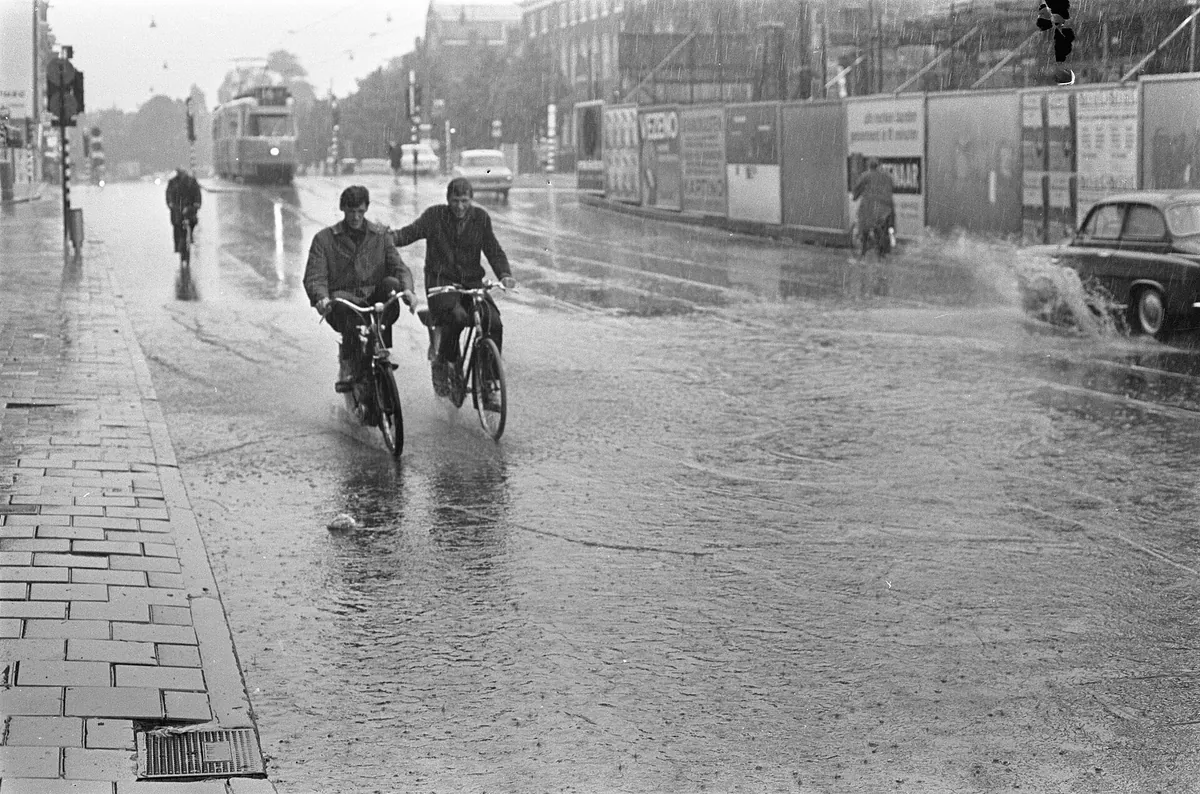
The Dutch National Archives’ record for the photo below is dated 27 June 1967, so the answer is 1967.
A date from the maker
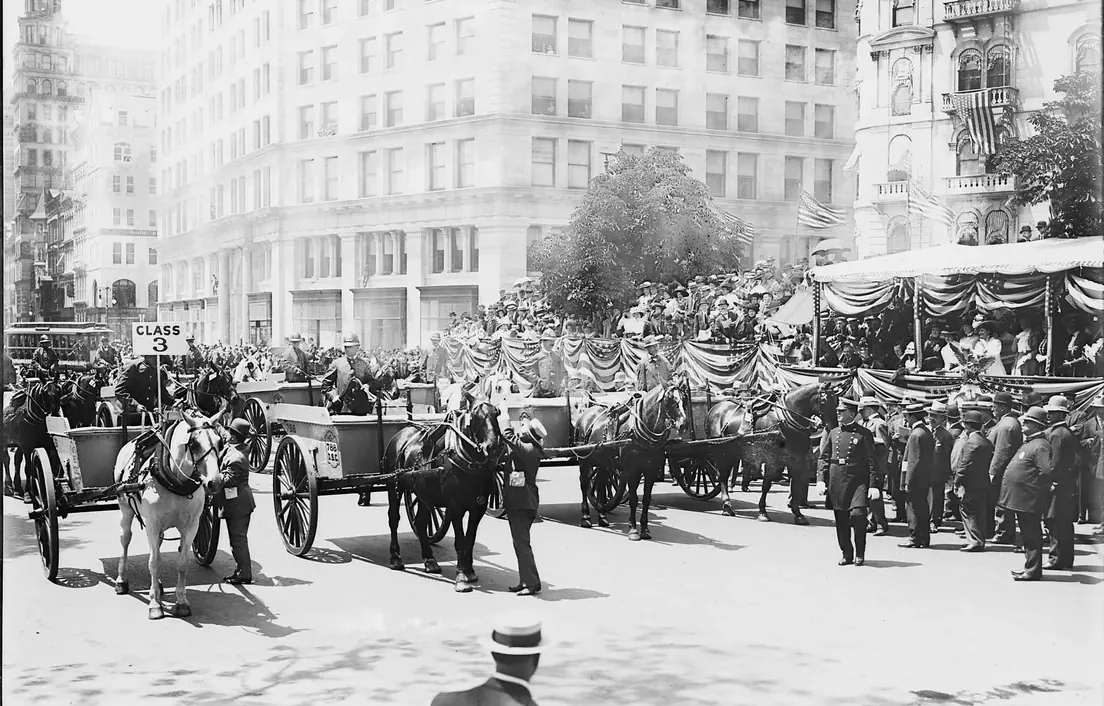
Some records keep a date the photographer or agency wrote down. The Library of Congress took this parade photo’s title from the Bain News Service’s own notes on the negative or caption card: “Work Horse Parade, 5/30/09”. That gives the year, 1909.
The camera’s own data
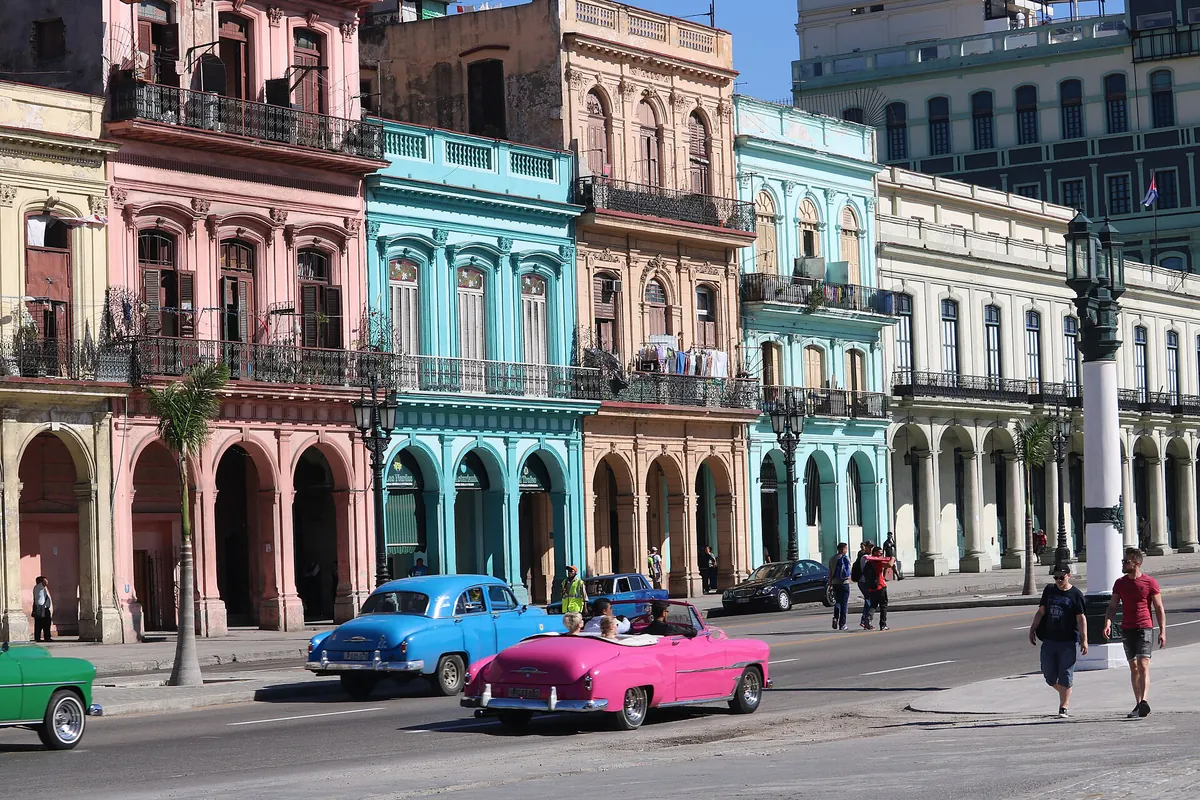
A digital camera saves the date and time of each shot in the file’s EXIF data. The Havana photo’s camera data says 27 February 2018. Camera clocks can be wrong, so a photo is turned down when its camera date clashes with other evidence.
NASA: mission dates and catalogue dates
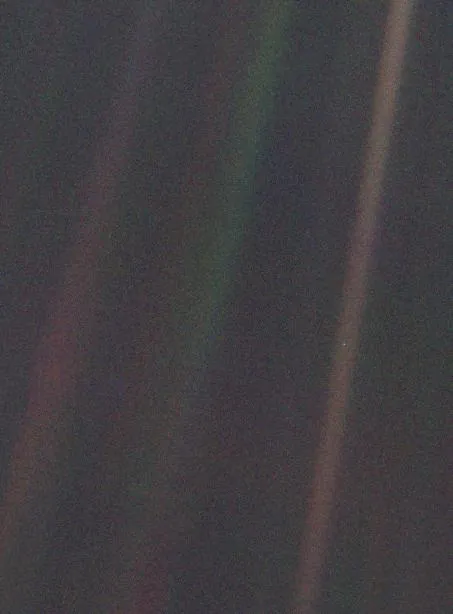
NASA photos are dated by the mission or event they show, not by the catalogue date alone. NASA’s image library dates the Pale Blue Dot, Voyager 1’s picture of Earth, 12 September 1996, and NASA’s Photojournal gives that as the day the image was added. Voyager 1 took the picture on 14 February 1990, so Rewind’s answer is 1990.
Rewind scores 200 for the exact year and 8 points less for every year off. Had the answer been 1996, a player who knew the true year would lose 48 points and get a yellow square instead of a green one.
Every photo also has a row in Rewind’s licence log, with a note on where its year came from. The build stops any photo that lacks a credit, a licence label, a source link or a row in that log.
Why some photos are turned down
Rewind keeps a list of photos turned down for good, now more than 170, and a check refuses any that comes back under another file name or as another copy of the same archive record. The main reasons:
- The year can’t be proven (about a quarter of the list). One record said “between 1921 and 1922”. A National Archives date was the day a print was received. About twenty NASA photos were dropped because NASA’s catalogue date was the sole date they had.
- The licence can’t be proven. One photo’s credit line named a contractor, so it could not be shown to be NASA’s own work. Another is held by the National Archives, but its record credits a county visitors’ bureau.
- The picture gives the year away. Examples: a camera date stamp you can read when you zoom in, price tags dated 2017 and 2018, and a number plate reading “DIST. COL. 1924”.
- The subject (about two-thirds of the list). A picture is turned down when its main subject is a clear face or a named person, war, weapons or the military, a disaster, politics or nudity.
Credits and source links
After each guess, Rewind shows the year, the caption, a short story and a credit line (“Photo: credit · licence”) with a link to the photo’s source. Each past puzzle’s answer page shows the same behind Show answers.
The 6 November puzzle shows three labels: CC0 1.0 for a Dutch National Archives photo, Public domain (published before 1931) for three Library of Congress photos, and Public domain (US government) for a Farm Security Administration photo of parking meters in Omaha.
Every source link goes to NASA’s image library or to the photo’s page on Wikimedia Commons, which shows the licence and usually the archive’s own record. If you think a credit or a year is wrong, tell us.
See the sources for yourself
Rewind gives you five real photos from history every day, free and with no sign-up: play today’s Rewind.
Every past puzzle lists each photo’s credit and licence behind Show answers. Rewind Endless deals one photo after another: try a run in its Flight & Space pack, where almost every photo is credited to NASA.
Sources
- NASA: Images and Media Usage Guidelines
- US Copyright Office: Title 17, chapter 1 (sections 101 and 105)
- Cornell University Library: Copyright Term and the Public Domain in the United States
- Creative Commons: CC0 1.0 Universal deed
- RightsStatements.org: No Copyright - United States
- Nationaal Archief: Foto’s, open data (in Dutch)
- Nationaal Archief: Over de fotocollectie (in Dutch)
- Wikipedia: Anefo
- NASA Image and Video Library: Solar System Portrait - Earth as Pale Blue Dot
- NASA Science Photojournal: Solar System Portrait - Earth as ‘Pale Blue Dot’
- NASA Science: The Pale Blue Dot - Download
- Wikimedia Commons: Fietsers gaan door de plassen
- Wikimedia Commons: Work Horse Parade, 5-30-09
- Library of Congress blog: Work Horses: Pulling their Weight
- Wikimedia Commons: Architecture Travel City Street Tourism Cuba
- Wikimedia Commons: licence note for a photographer’s public-domain archive at the Library of Congress


